HS-V500 Specification Document
Catalog
8.Complete Machine And Accessories Description 14
10.Operation and Usage Instructions 21
1.Product Overview
1.1.The HS-V500 device is a vehicle-mounted deployment model featuring a metal sheet shell construction. Its core advantages lie in comprehensive coverage and precise control capabilities. Utilizing full-band interference technology, it effectively addresses complex requirements across various signal frequency bands. The premium hardware design not only ensures ultra-long-range interference but also guarantees operational stability in extreme environments.
2.Product Features
2.1.Full-frequency coverage: The strike module features customizable frequency and power settings, achieving comprehensive frequency band coverage and suppression across the 100 MHz to 6 GHz spectrum. It encompasses communication frequency bands including 2G,3G,4G,5G, GPS/GNSS, and WIFI.
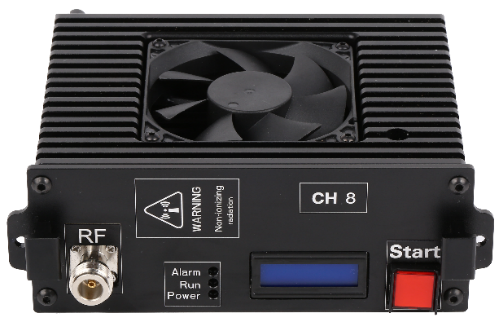
2.2.Module Replacement: Equipped with module plug-and-play replacement technology, enabling convenient and rapid replacement, maintenance, and technical iteration. The modules can be freely combined and adjusted in terms of usage frequency. Each module operates independently, allowing direct replacement through plug-and-play operation even if a module fails, without affecting the normal operation of other modules.
2.3.Operation modes: The device can be controlled remotely via network access or operated from close range using mechanical devices, meeting operational requirements across various scenarios.
2.4.Device Management: Equipped with an in-house developed device deployment platform, it enables independent control of device operation plans, power regulation, and health status queries through network port communication.
2.5.Function display: The device module features multiple display options including LED and LCD screens, facilitating real-time monitoring of operational status.
2.6.Quality Certification: Products certified under the ISO9001 Quality Management System, ensuring stable and reliable quality.
2.7.Equipped with an integrated smart temperature control system, it ensures prolonged operation of the main unit.
3.Application Scenarios
This high-power vehicle-mounted strike system is designed for diverse operational scenarios including drone no-fly zones, luxury residences, tourist attractions, fuel stations (storage facilities), power infrastructure, VIP security for senior officials, individual combat operations, special police units, bomb disposal teams, counter-terrorism units, narcotics enforcement units, explosion prevention teams, security checkpoints, law enforcement missions, hostage negotiations, border control operations, and military security forces.
4.Device Size Diagram
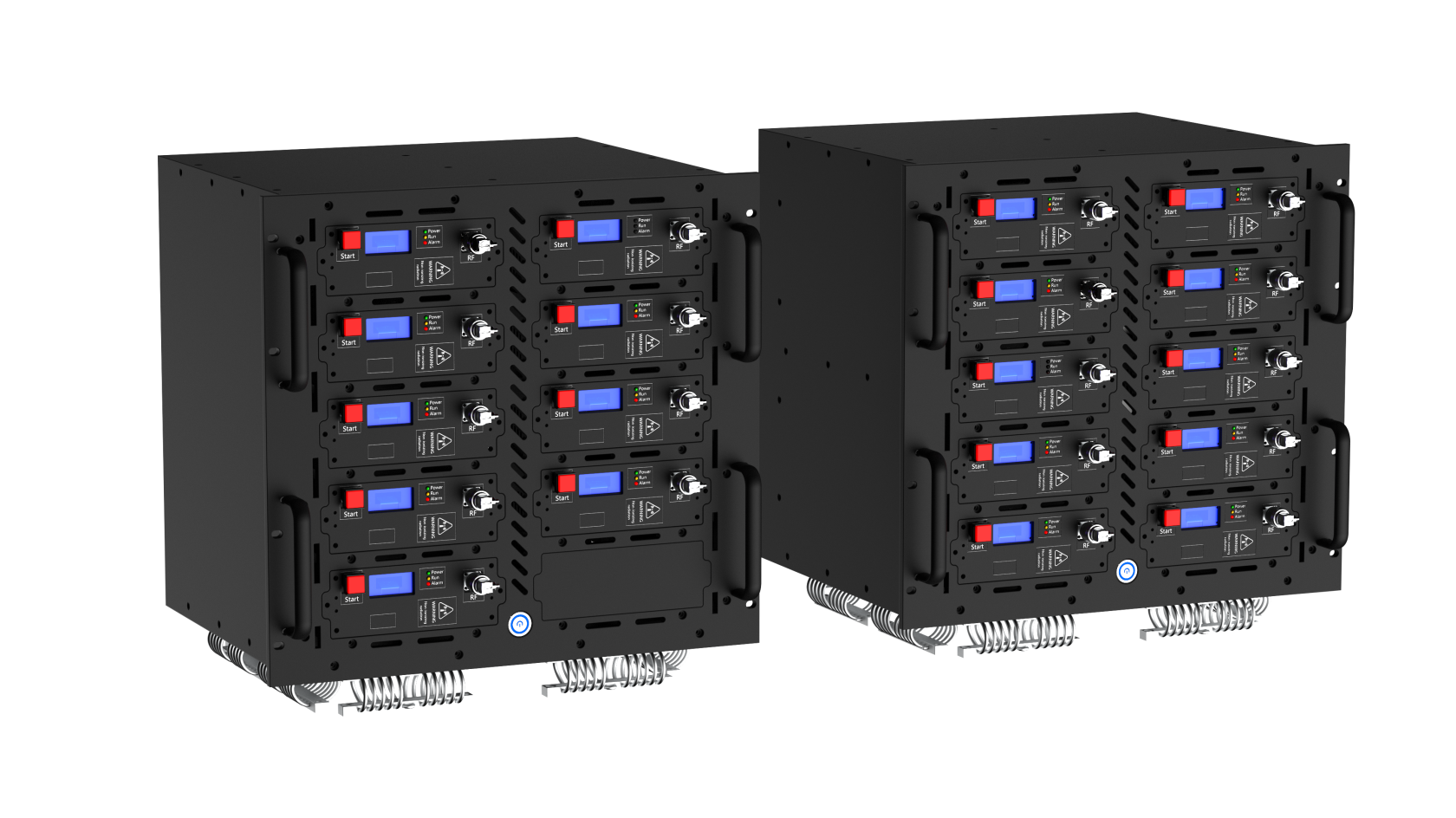
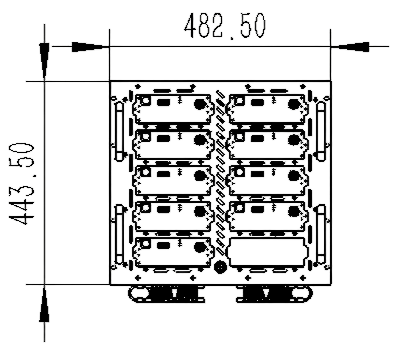
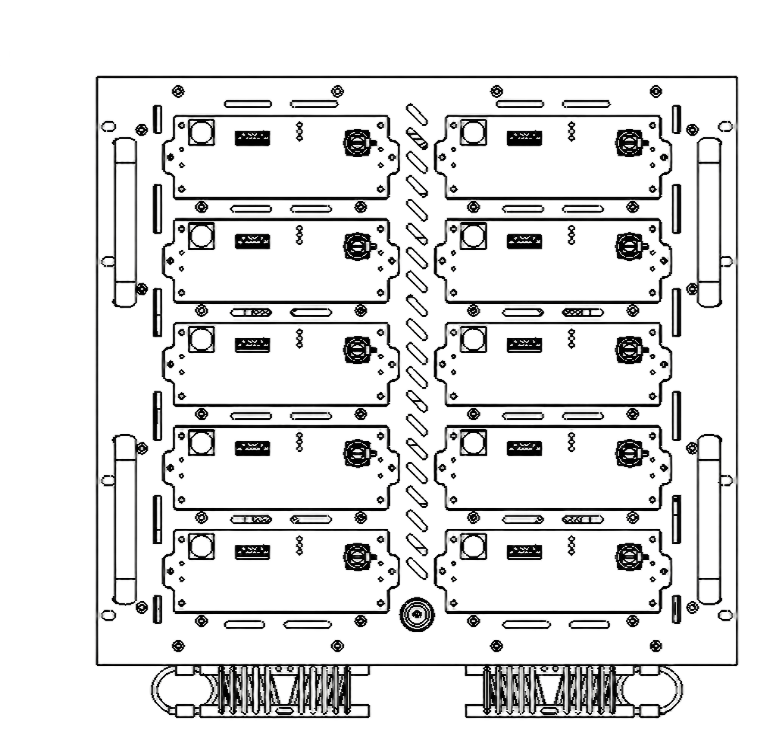
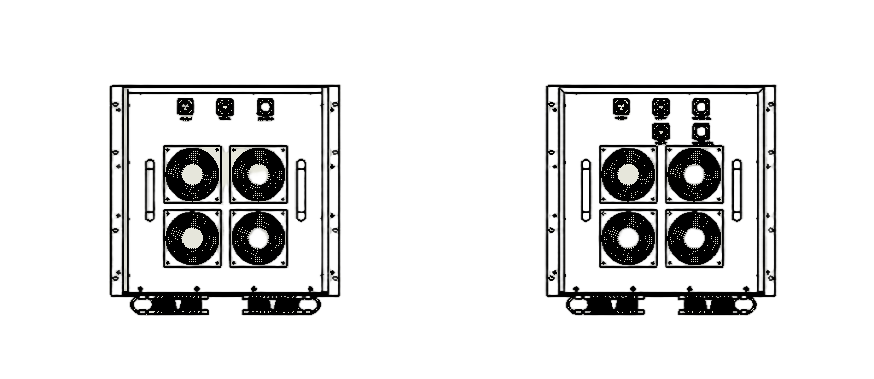
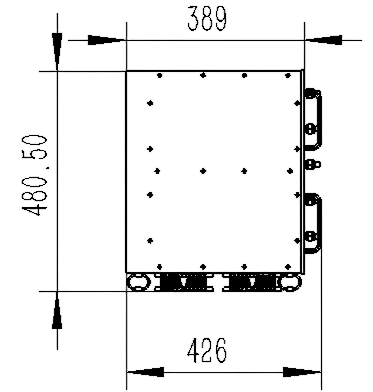
4.1.Equipment Schematic Diagram
  |
|
| Front Elevation | |
 |
|
| Back View | |
 |
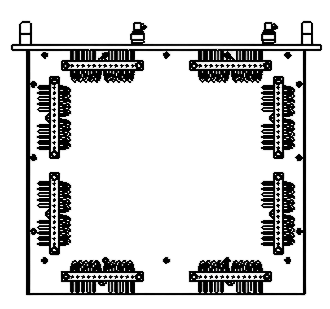 |
| Lateral View | Bottom View |
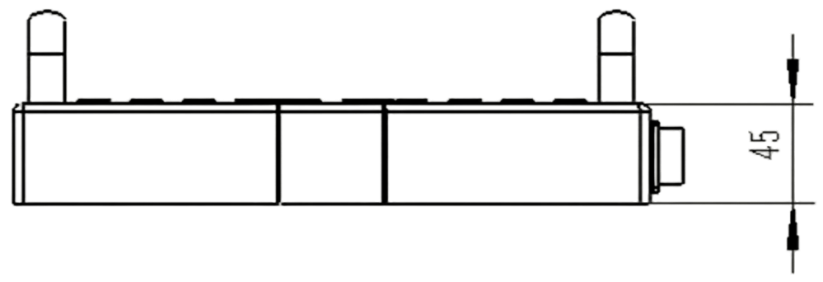
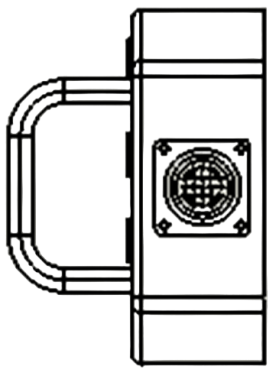
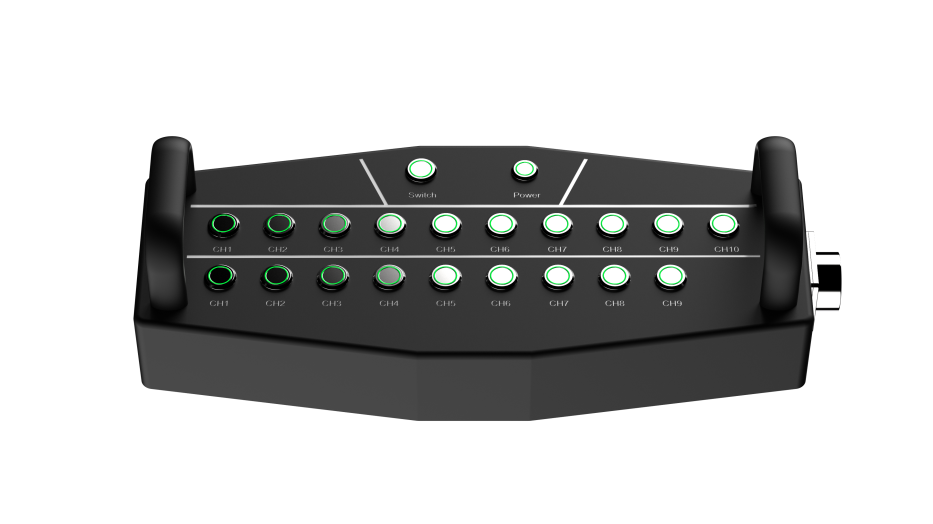
4.2.Schematic Diagram Of Control Box
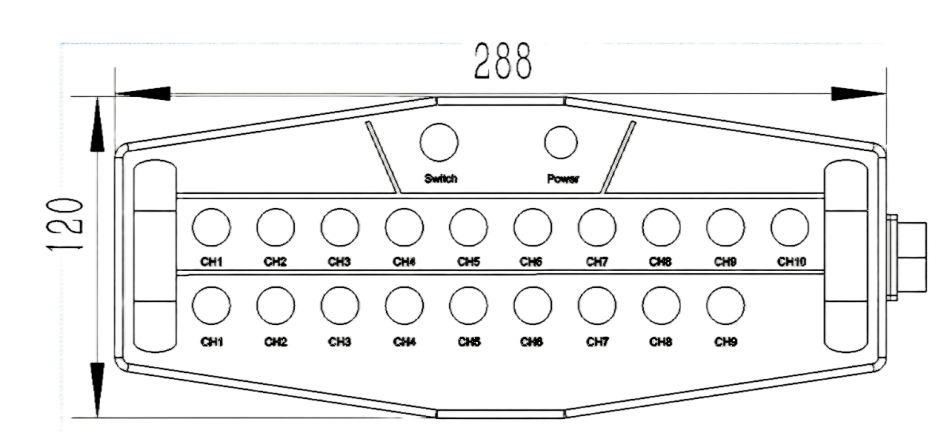 |
| Front Elevation |
 |
| Top View |
  |
| Lateral View |
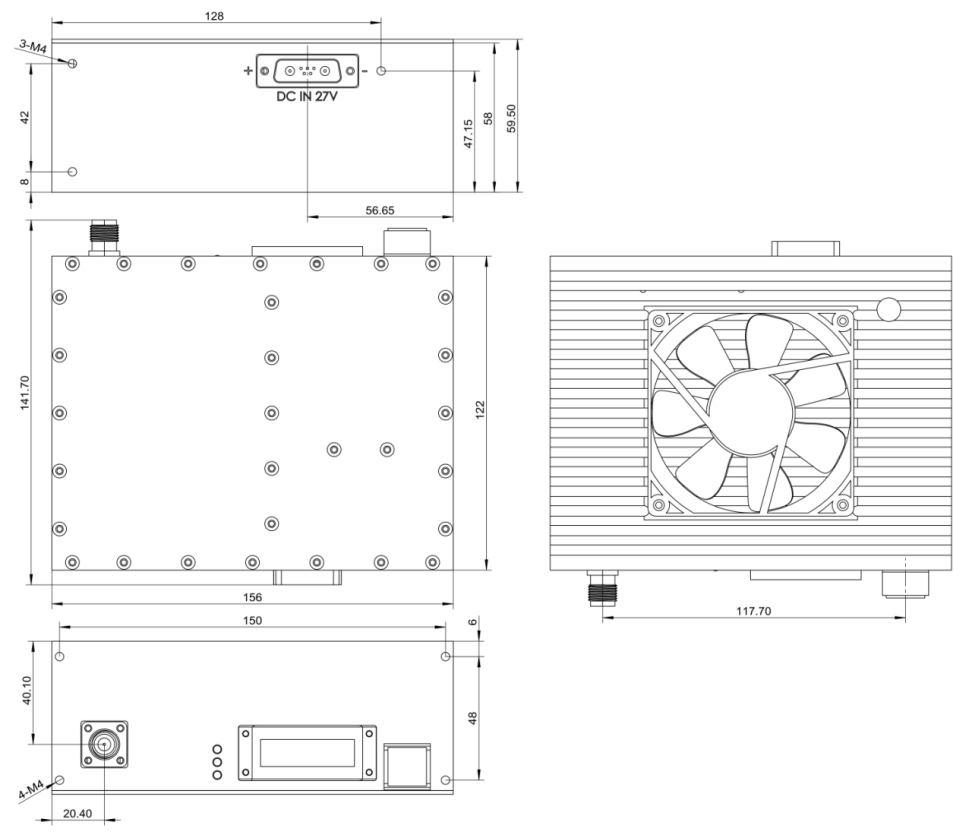
4.3.Schematic Diagram Of Module
4.4.Schematic Diagram Of Omnidirectional Antenna
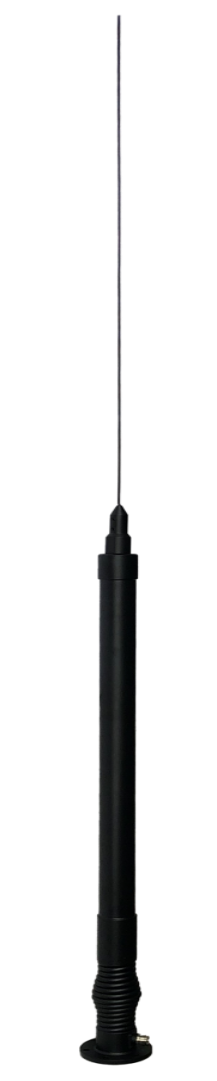  |
ɸ80*800mm |
| Low-Frequency Antenna | Medium And High-Frequency Antenna |
5.Interference Band
Full-Band Countermeasure:
| Channel | Frequency Band (Mhz) | Power (W) |
|---|---|---|
| CH1 | 135-175 | 100W |
| CH2 | 400-470 | 100W |
| CH3 | 450-480 | 100W |
| CH4 | 600-680 | 100W |
| CH5 | 720-800 | 100W |
| CH6 | 780-840 | 100W |
| CH7 | 910-980 | 100W |
| CH8 | 1160-1280 | 100W |
| CH9 | 1790-1900 | 100W |
| CH10 | 1560-1630 | 100W |
| CH11 | 2100-2180 | 100W |
| CH12 | 2290-2410 | 100W |
| CH13 | 2400-2500 | 100W |
| CH14 | 2500-2700 | 100W |
| CH15 | 3400-3600 | 100W |
| CH16 | 3600-3800 | 100W |
| CH17 | 3800-4000 | 100W |
| CH18 | 5150-5350 | 100W |
| CH19 | 5720-5880 | 100W |
6.Complete Parameter
6.1.Essential Parameter
| Dimensions | 482*426*480mm (single chassis, including vehicle mount base, excluding antenna) |
| Weight | ≤40kg (per chassis unit, including vehicle mount base, excluding antenna) |
| Chassis Color | Ash black |
| Material | Aluminum alloy |
| Application Method | Vehicular |
| Power Supply Mode | Main power supply AC 220v |
| Total Current | 15A (total for two chassis, operating at full load) |
| Total Power | 1900w (total for two chassis at full load) |
| Communicating Protocol | TCP protocol, 485 protocol |
| Interface Type | Network interface, 24-pin control interface, power supply interface |
| Antenna Type | Omni-directional high-gain strike spring antenna |
| Jamming Angle | Horizontal: 360°; vertical: 17° |
| Jamming Distance | 3-5 km (open line-of-sight) |
| Working Temperature/Humidity | -30℃-+65℃/≤80% |
| System Reliability | MBTF no less than 1000 hours |
| System Response Time | No more than 30 seconds (from startup to normal system operation) |
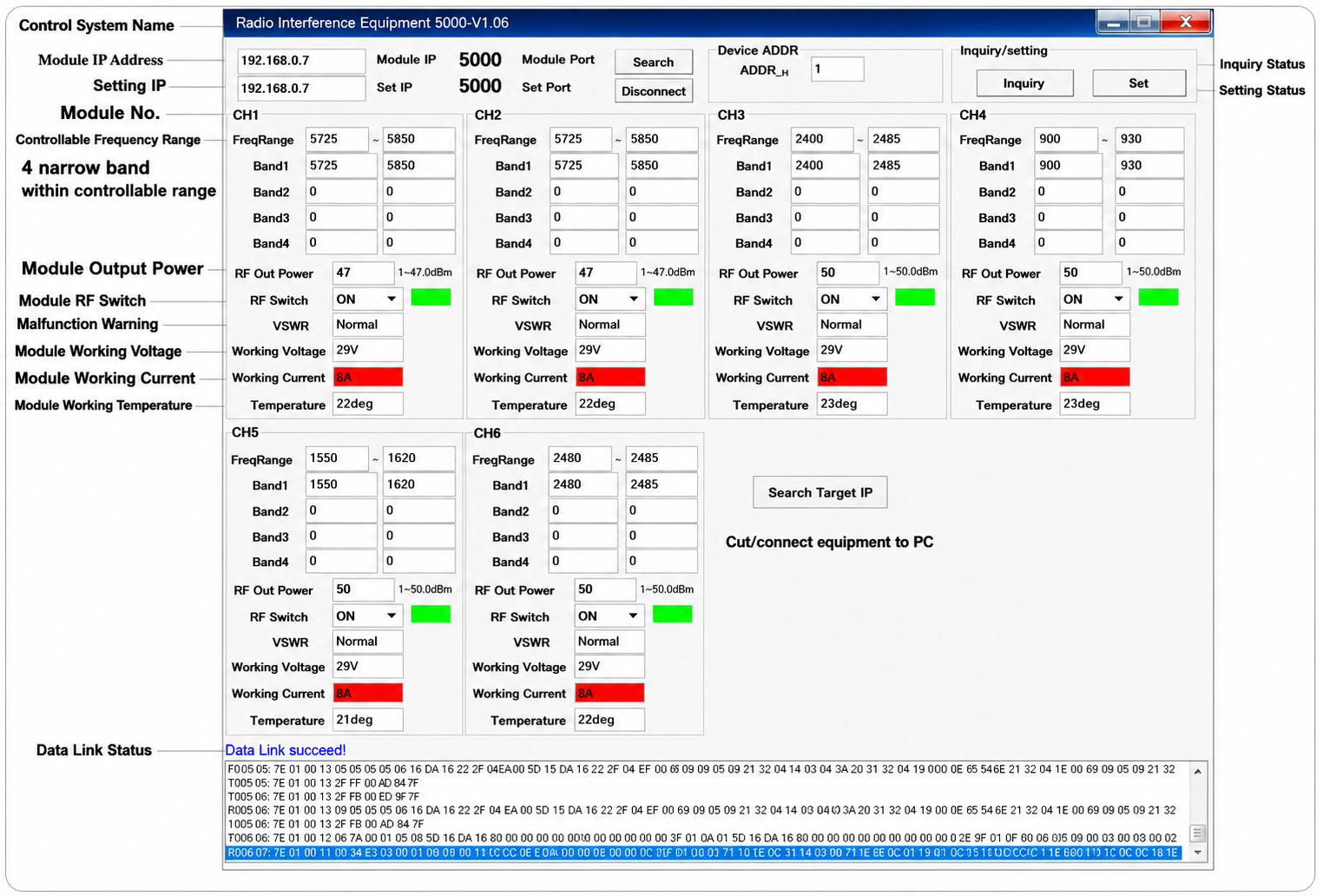
| Supporting Software | Radio interference equipment 12ch v1.06 |
| Factory Configuration | Host 1: IP: 192.168.0.7; port: 5000; ADDR: 1 Host 2: IP: 192.168.0.8; port: 5000; ADDR: 2 |
6.2.Impact Module Parameters
| Signal Source | Analog |
|---|---|
| Weight | 1.6 kg (per unit) |
| Interface | Power Supply and Communication: DB7W2 |
| Output Connector | N-Female |
| Communication Mode | 485 communication |
| Heat Dissipation | Equipped with heat dissipation teeth and fan |
| Working Voltage | 24-28V |
| Working Temperature | -30~65℃ |
| Interference Effect | <3 seconds |
| Function Protection | Temperature control protection, reflection protection |
| Strike Frequency | Customizable |
| Impact Power | Customizable |
| Power Regulation | Power output can be adjusted via software: 10–100W (typically 100W) |
6.3.Antenna Parameters
6.3.1.Low-Frequency Antenna (20-100Mhz)
| Frequency Range | 20~100MHz |
| Gain (Typical Value) | -5dBi |
| Antenna Pattern | omnidirectional |
| Antenna Type | unipole |
| Horizontal Wavefront Width | 360° |
| VSWR | ≤3.0 |
| Polarization Form | perpendicular |
| Power Capacity | 100W |
| Input Resistance | 50Ω |
| Connector Type | N-Female |
| Working Temperature | -30~65º |
| Installation Method | Flange installation |
6.3.2.Intermediate Frequency Antenna (2400-2500Mhz)
| Frequency Range | 2400-2500MHz |
| Gain (Dbi) | 6±1dBi |
| VSWR | ≤2.0 |
| Polarization Mode | perpendicular |
| Horizontal Wavelet Width | 360º |
| Vertical Flap Width | 23±5º |
| Out-Of-Roundness (dB) | ±2dB |
| Input Resistance (Ω) | 50Ω |
| Maximum Power W) | 100W |
| Connector Type | N-Female |
| Lightning Protection | DC grounding |
| Working Temperature | -30~65º |
| Installation Method | Flange installation |
6.3.3.High-Frequency Antenna (5720-5880Mhz)
| Frequency Range | 5720-5880MHz |
| Gain (Dbi) | 8±1dBi |
| VSWR | ≤1.8 |
| Polarization Mode | perpendicular |
| Horizontal Wavelet Width | 360º |
| Vertical Flap Width | 17±3º |
| Out-Of-Roundness (dB) | ±2dB |
| Input Resistance (Ω) | 50Ω |
| Maximum Power (W) | 100W |
| Connector Type | N-Female |
| Lightning Protection | DC grounding |
| Working Temperature | -30~65º |
| Installation Method | Flange installation |
7.Packing List
| Product | Quantity | Size | Image |
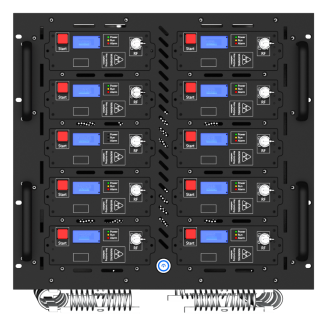
| Host 1 | 1 | 482*426*480mm Length*Width*Height |
 |
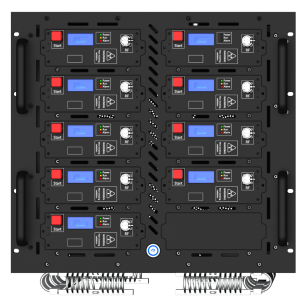
| Host 2 | 1 | 482*426*480mm Length*Width*Height |
 |
| Ac Power Cord | 2 | 1.8m | 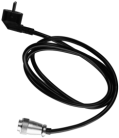 |
| Ethernet Cable | 2 | 3m | 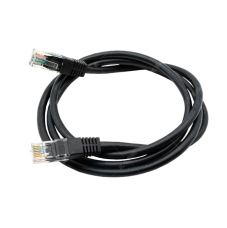 |
24-Core Aviation Control Line (No.1) |
1 | 5m | 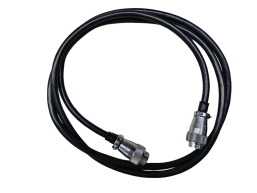 |
24-Core Aviation Control Line (No.2) |
1 | 2m | |
| Keyboard Actuator Box | 1 | 288*120*45mm | 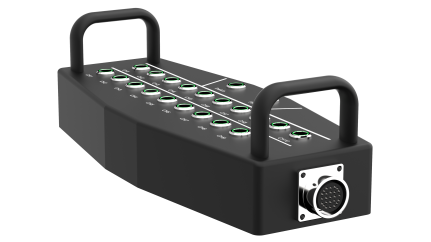 |
| Vehicle Base | 16 | 127*47*38mm | 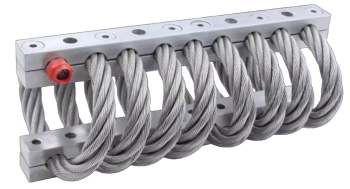 |
| Omnidirectional Spring Antenna | 19 | / | 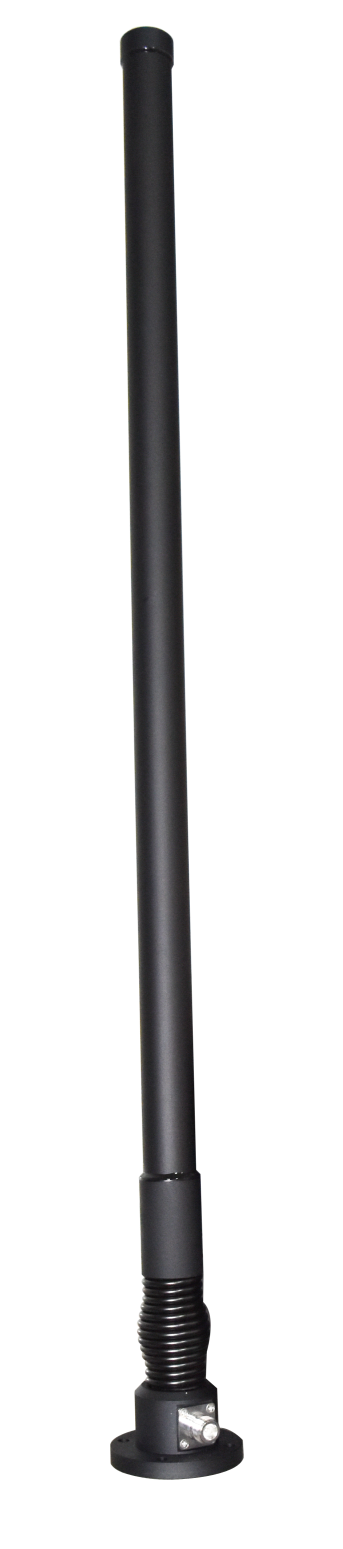 |
| Feeder Line | 19 | 3m | 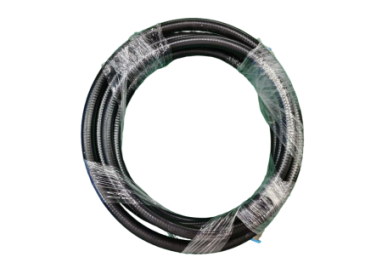 |
8.Complete Machine And Accessories Description
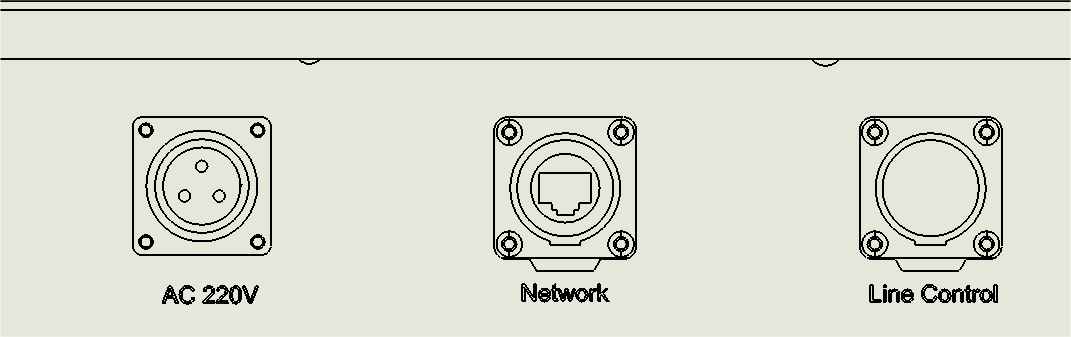
8.1.Host Device 1 Interface Description
| Number | Interface Name | Interface Specification |
|---|---|---|
| 1 | AC 220V | 220V AC power socket for equipment |
| 2 | Network | Network Communication Interface |
| 3 | Line Control-In | 24-pin control interface (for Line Control of Host Device 2) |
| 4 | Line Control-Out | 24-pin control interface (wiring control box) |
| 5 | N-Female | anti-jamming antenna interface |
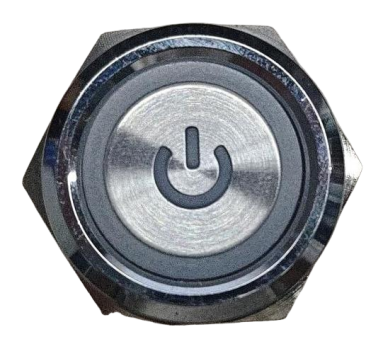
| 6 | Power button | Power switch for the complete equipment |
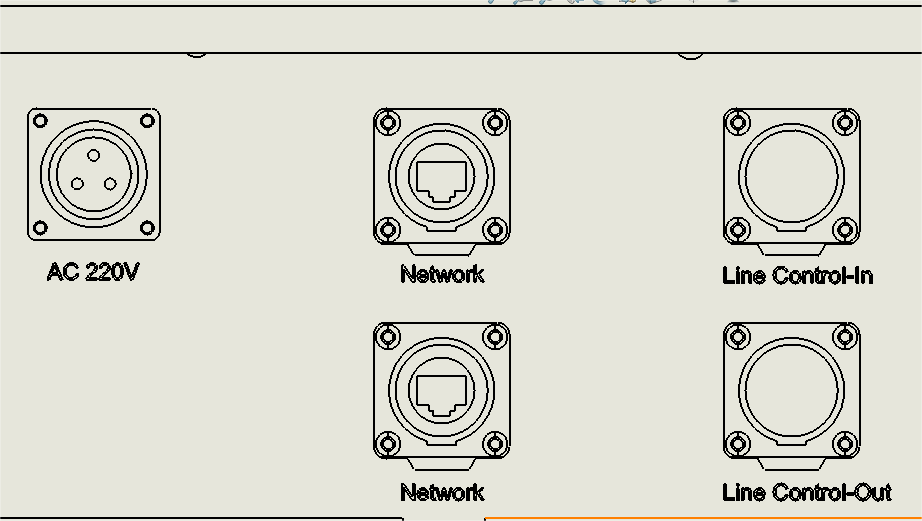
8.2.Host Device 2 Interface Description
| Number | Interface Name | Interface Specification |
|---|---|---|
| 1 | AC 220V | 220V AC power socket for equipment |
| 2 | Network | Network Communication Interface |
| 3 | Line Control | 24-pin control interface (From Line Control-In of Host Device 1) |
| 5 | N-Female | anti-jamming antenna interface |
| 6 | Power button | Power switch for the complete equipment |
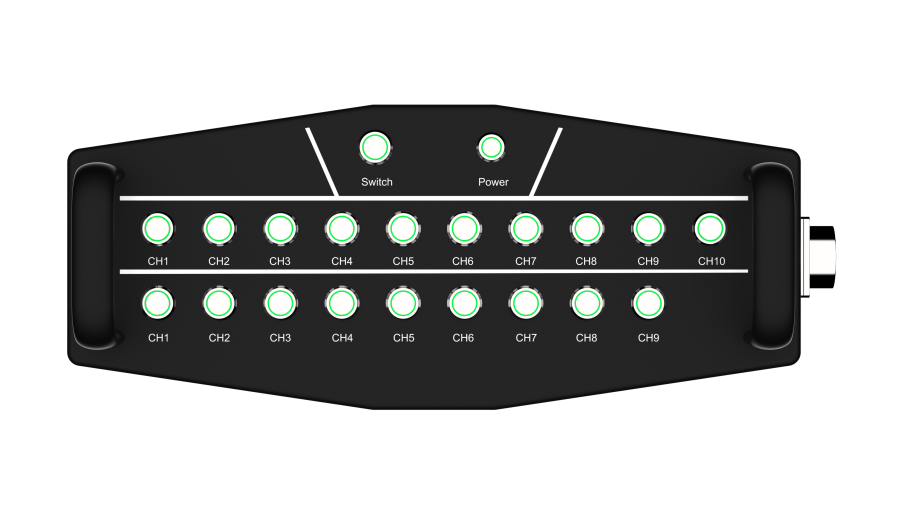
8.3.Button Line Control Box Description
| Number | Interface Name | Interface Specification |
|---|---|---|
| 1 | CH1-CH10 | Power supply switches for various modules on Host 1 |
| 2 | CH1-CH9 | Power supply switches for various modules on Host 2 |
| 3 | Switch | Line control box main switch |
| 4 | Power | LED: Main switch indicator light |
8.4.Vehicle Base Installation
8.4.1.Vertical Compression Support, Fixed Hole Position M8
8.5.Module Operation Instructions And Replacement Notes
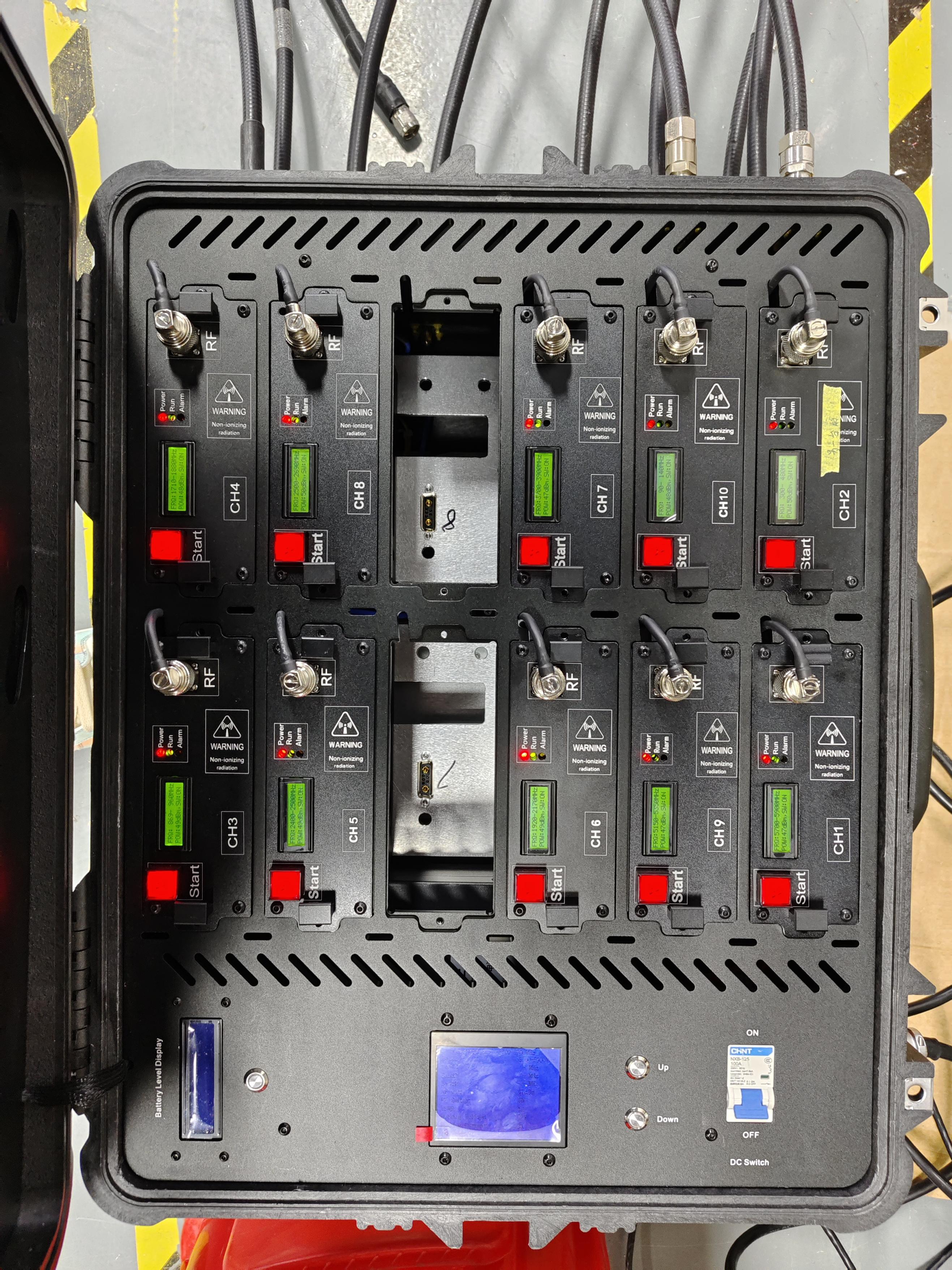
8.5.1.Module Work Instructions:
| Number | Name | Explain |
|---|---|---|
| 1 | Start | Module switch (Radio frequency transmission switch; pressing it will display a red backlight indicator) |
| 2 | Display Screen | Module display screen for frequency band, power, and switch status |
| 3 | Power | Power supply indicator light (red) |
| 4 | Run | Module operational status indicator light (green) |
| 5 | Alarm | Reflection alarm indicator light (yellow) |
| 6 | RF | Feedline connector |
8.5.2.Replacement note: After powering off the device, unscrew the feeder connector and the screws on both sides of the module to remove and replace it.
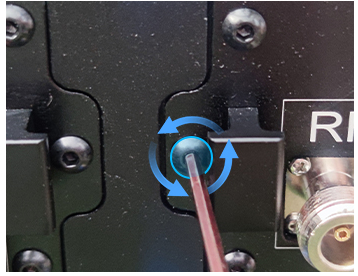
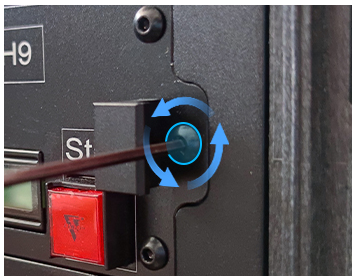
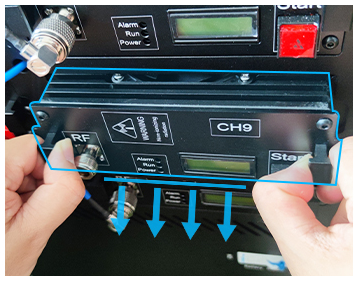
8.6.Antenna Installation
Figure 1 shows the N-type RF connector connected to the feeder line, while Figure 2 illustrates the antenna mounting hole positions.
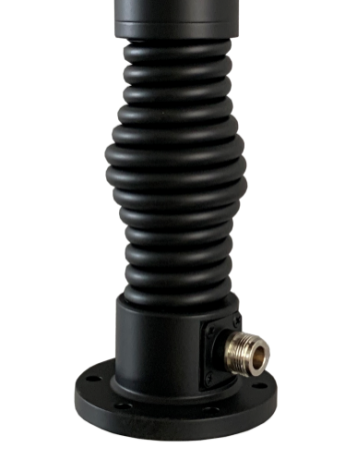
Figure 1
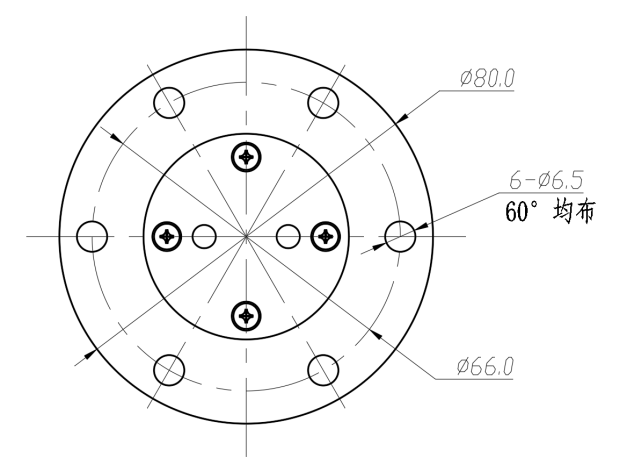
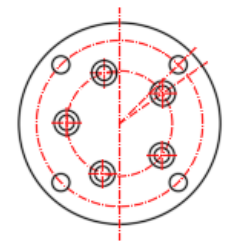
Figure 2
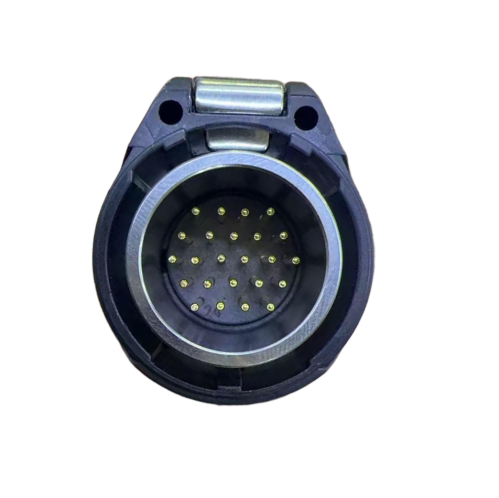
8.7.Definition Of 24-Core Control Core
| Number | Pin Name | Explain |
|---|---|---|
| 1 | 1~10 | Control of modules CH1 to CH10 corresponding to host 1 |
| 2 | 11~19 | Control of modules CH1 to CH9 corresponding to host 2 |
| 3 | 23 | Total switch control: 28V+ |
| 4 | 24 | GND |
9.Attention
9.1.Unboxing Inspection
9.1.1.Inspect the major equipment and accessories listed above. If any components are missing, contact the equipment supplier to ensure proper operation of this product.
9.1.2.Verify the number of antennas and their markings: confirm whether they correspond one-to-one with the host module.
9.2.Antenna Installation
9.2.1.During routine use, directly screw the component onto the machine according to the labeled specifications to ensure secure fixation.
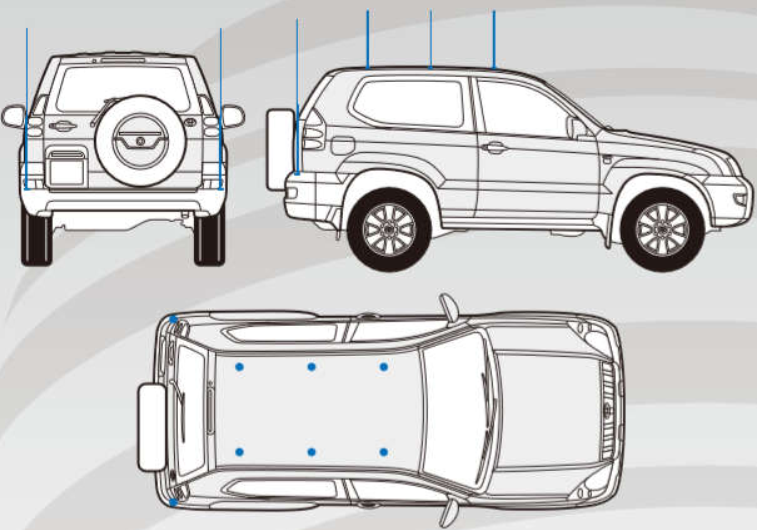
9.2.2.Low-frequency band antennas tend to be longer in length. For automotive applications, they are typically recommended to be installed at the rear of the vehicle.
9.2.3.High-frequency antennas are typically mounted on the vehicle roof. It is recommended to use an antenna bracket with a folding mechanism, allowing the antenna to be folded back onto the roof when not in use.
9.2.4.The antenna must be securely fixed, and the connection between the antenna and the host unit or through the feeder must be tightened to the maximum extent.
9.2.5.Off-road vehicle modification is generally recommended as the primary approach.
9.3.Heat dissipation ventilation
9.3.1.This device features intelligent heat dissipation and ventilation systems, with the equipment itself capable of functioning without auxiliary cooling.
9.3.2.During vehicle modification, additional cooling and ventilation systems should be implemented. It is recommended to install additional air inlets and outlets to ensure proper air circulation within the vehicle.
10.Operation and Usage Instructions
10.1.Install antennas matching the frequency specified in the factory configuration. Connect the feeders to the N-type RF interface and antenna interface of the module.
10.2.The two ends of Control Line 1 are connected to the Line Control-out of Line Control Box and Host 1, respectively; the two ends of Control Line 2 are connected to the Line Control-In of Host 1 and the Line Control of Host 2, respectively.
10.3.Connect both ends of Network Cable 1 to Host 1's Network port and Host 2's Network port, respectively. Similarly, connect both ends of Network Cable 2 to Host 1's Network port and the PC device.
10.4.Connect both hosts to the 220V power supply port.
10.5.Press all buttons on the wire control box.
10.6.Turn off the power switches for Host 1 and Host 2 respectively.
10.7.The backlight of power switches on Host 1 and Host 2 illuminates; all button backlights on the line control box light up, along with the Power indicator light; all module display screens and Power indicator lights activate, and the cooling fans commence operation.
Software Description
Local Ethernet settings
On a PC, open Control Panel, locate Network Connections, right-click Ethernet, select Properties, then choose Open Internet Protocol Version 4. Set the properties as follows:
| Host 1 Factory default | IP: 192.168.0.7 | ID: 1 |
| Host 2 factory default | IP: 192.168.0.8 | ID: 2 |
The PC must be configured to use the 192.168.0.XXX network segment.
Click to open Radio Interference Equipment 12CH V1.06. For Host 1, set IP to 192.168.0.7, port: 5000, and ADDR: 1. For Host 2, set IP to 192.168.0.8, port: 5000, and ADDR: 2.
After configuring IP, port, and ADDR, click Connect, then select Inquiry. The software will display all internal module information of the device.
Basic software information: